
『多角的見地から迫る閉塞性睡眠時無呼吸』
『A Multidisciplinary Approach to Obstructive Sleep Apnea(OSA)』
日時:2025年9月28日(日)10:00〜17:00
会場:野村コンファレンスプラザ日本橋5F 大ホールB
大会長挨拶
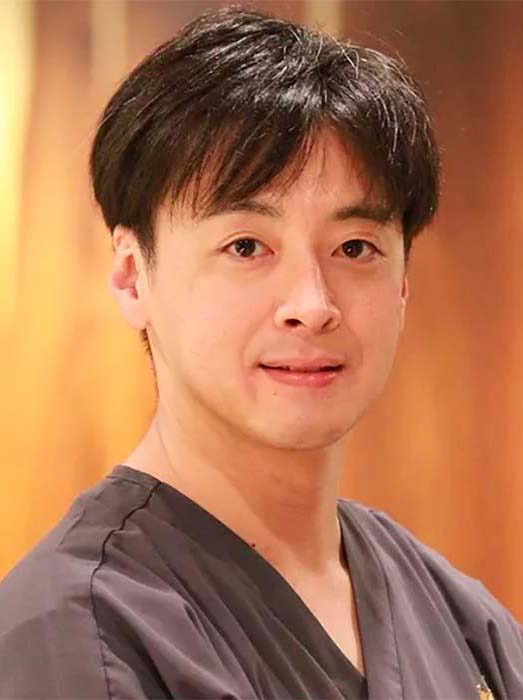
このたび、日本包括的矯正歯科学会(JIOS)2025年第15回学術大会の大会長を務めさせて頂くことになりました鬼塚と申します。 本大会のテーマは「多角的見地から迫る閉塞性睡眠時無呼吸」といたしました。 閉塞性睡眠時無呼吸(Obstructive Sleep Apnea, OSA)は、睡眠中の断続的な呼吸停止を特徴とし、全身の健康に深刻な影響を及ぼす疾患です。成人においては心血管系疾患や代謝障害との関連が明らかにされつつあり、患者の生活の質(QOL)や社会生活に大きな負担を与えています。また小児においては、乳幼児突然死症候群や成長発達の阻害、不登校や学習障害などを引き起こす可能性が指摘されており、医学的にも社会的にも決して軽視できない問題です。 今回の大会では歯科界における多彩な講演を通じてOSAに対する包括的理解を深めることを目指します。 葭澤先生からは歯科で気づくことのできるOSA患者の特徴、歯科で行うべき検査項目、医科との効果的な連携方法、治療アプローチ、現行の保険制度における課題、そして今後の展望について、具体例を交えながらお話しいただけます。 篠塚先生からは口腔外科のお立場からOSA患者における顎顔面骨格形態の特徴と、顎骨移動術後に生じる上気道の生理学的機能変化についてご講演いただきます。 また、今回は会員発表枠ではありますが、教育公演での内容をご講演していただけることになりました、竜先生からは矯正歯科医お立場から小児OSA患者のための歯科矯正学的評価と、診断ワークフロー、治療アプローチについてご講演いただけます。 本大会では、異なる歯科専門領域の先生方がそれぞれの立場からOSAに迫り、学際的な対話を通じて新たな治療戦略を模索してまいります。パネルディスカッションの座長には麻酔医の藤原広先生、矯正専門医の小池紗理奈先生、そして新たな試みとしまして、AIにも座長を託しまして、OSAの包括的な見解に迫って参ります。 参加される皆様にとって、臨床の視野を広げるとともに、患者様の健康とQOL向上に資する実践的な学びとなれば幸いです。
タイムスケジュール
| 時間 | 内容 | 登壇者・司会 |
|---|---|---|
| 10:00~10:10 | 開会 / 大会長挨拶 / 代表理事挨拶 | 司会:小野 理恵子 大会長:鬼塚 浩靖 代表理事:綿引 淳一 |
| 10:10~10:20 | アンケート | 宮野 二美加 |
| 10:20~11:35 | [特別講演]「我々、歯科医療従事者が知るべき睡眠時無呼吸症の知識」 | 葭澤 秀一郎 |
| 11:35~11:45 | 休憩 | |
| 11:45~12:45 | [特別講演]「閉鎖性睡眠時無呼吸に対する睡眠外科の役割 -顎骨形態が及ぼす気道への影響-」 |
篠塚 啓二 |
| 12:45~12:50 | 企業プレゼン | 株式会社グローバルエイト |
| 12:50~12:55 | 企業プレゼン | 株式会社フォレスト・ワン |
| 12:55~13:00 | 写真撮影 | |
| 13:00~14:15 | 昼休み | |
| 14:15~15:00 | [会員発表(教育講演)]「閉塞性睡眠時無呼吸における矯正歯科医の役割」 | 竜 立雄 |
| 15:00~15:05 | 企業プレゼン | 株式会社ミツバオーソサプライ |
| 15:05~15:10 | 企業プレゼン | 株式会社メディカルネット |
| 15:10~15:40 | [会員発表(症例発表)]「ブラキシズムを伴うSkeletal Cl II 症例の包括的矯正治療」 | 堀切 雅文 |
| 15:40~16:10 | パネルディスカッション | 座長:小池 紗里奈、藤原 広 パネリスト:篠塚 啓二、葭澤 秀一郎、竜 立雄、堀切 雅文 |
| 16:10~ | まとめ、閉会挨拶 |
特別講演
10:20〜11:35
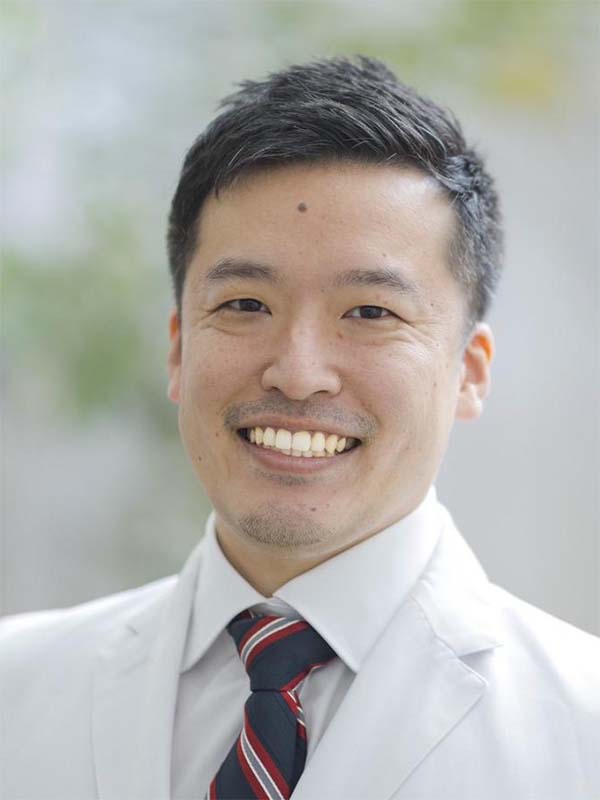
『我々、歯科医療従事者が知るべき睡眠時無呼吸症の知識』
睡眠歯科リサーチセンター東京 葭澤秀一郎
近年の研究では、日本における閉塞性睡眠時無呼吸症(OSA:Obstructive Sleep Apnea)の潜在患者数は、およそ2,200万人に上ると報告されています。しかし、実際に適切な治療を受けているのはごく一部にとどまっているのが現状です。
患者本人がいびきや無呼吸に気づいていないケースも多く、たとえ家族や友人から指摘されて自覚しても、その原因や全身への影響、さらには労働災害や交通事故などのリスクについて十分に理解していない場合も少なくありません。
また、睡眠時無呼吸の検査を行えるクリニックや病院は全国に存在しますが、患者が自ら適切な医療機関を探し出すことは容易ではなく、その結果、受診に至らないケースも多く見られます。こうした「受診機会の壁」をいかに取り除くかは、医療全体の重要な課題です。
この点で、歯科医療従事者はOSA治療への介入に非常に適した立場にあります。その理由は、歯科診療が持つ以下の特性にあります。
- 定期的な受診頻度の高さ
- 乳児から高齢者まで幅広い年齢層へのアクセス
- 口腔内および顎顔面領域への精査
- CTやセファロなどの画像検査機器の活用
本講演では、歯科で気づくことのできるOSA患者の特徴、歯科で行うべき検査項目、医科との効果的な連携方法、治療アプローチ、現行の保険制度における課題、そして今後の展望について、具体例を交えながらお話しいたします。
〈所属〉
- 歯科医師・歯学博士
- 睡眠歯科リサーチセンター東京 代表
- 日本睡眠学会歯科専門医
- 日本睡眠歯科学会認定医・指導医・評議員
- 日本スポーツ協会公認スポーツデンティスト
- 昭和大学歯科補綴学講座兼任講師・東京科学大学快眠歯科非常勤講師
〈略歴〉
| 2013年3月 | 昭和大学歯科補綴学講座大学院修了 |
| 2013年4月 | 昭和大学歯科補綴学講座助教 |
| 2014年〜2016年 | University of Southern California Orofacial pain and Oral medicine 客員研究員 |
| 2018年3月 | 昭和大学補綴学講座退職 |
| 2018年12月 | University of Texas at San Antonio 補綴科Preceptorship program |
| 2019年6月 | プログラム修了後帰国 |
| 2019年7月 | 睡眠歯科リサーチセンター東京開設 |
| 2025年1月 | 株式会社睡眠歯科リサーチセンター東京設立 |
| 2025年現在 | 全国の歯科医院と連携をとり睡眠障害の患者さんの治療にあたる |
Special Lecture
10:20〜11:35
“Knowledge of Obstructive Sleep Apnea Essential for Dental Professionals”
Shuichiro Yoshizawa, D.D.S., Ph.D.
Obstructive Sleep Apnea (OSA) affects an estimated 22 million individuals in Japan, yet only a small proportion receive appropriate treatment. Many patients remain unaware of their symptoms, such as snoring or apnea, and even when informed by family or friends, they often lack understanding of the underlying causes, systemic health consequences, and associated risks, including occupational accidents and traffic collisions. Although diagnostic facilities for OSA are available nationwide, identifying and accessing appropriate care remains challenging for many, creating a significant barrier to treatment. Addressing this “access gap” is an important public health priority. Dental professionals are uniquely positioned to contribute to OSA detection and management due to the characteristics of dental practice, including: • High frequency of regular patient visits • Access to a wide age range, from infants to older adults • Comprehensive examination of the oral and maxillofacial region • Utilization of advanced imaging modalities such as CT and cephalometry This presentation will outline the clinical features of OSA detectable in dental settings, recommended dental examinations, strategies for effective collaboration with medical professionals, treatment approaches, challenges within Japan’s current health insurance framework, and future directions. Case examples will be used to illustrate practical applications in daily practice.
〈Affiliations〉
Presenter: Shuichiro Yoshizawa, D.D.S., Ph.D. Director, Sleep Dentistry Research Center Tokyo Board-Certified Dentist in Sleep Medicine, Japanese Society of Sleep Research Certified Dentist, Instructor, and Councilor, Japanese Academy of Dental Sleep Medicine Certified Sports Dentist, Japan Sports Association Part-time Lecturer, Department of Prosthodontics, Showa University School of Dentistry Adjunct Lecturer, Sleep Dentistry, Institute of Science Tokyo
特別講演
11:45〜12:45
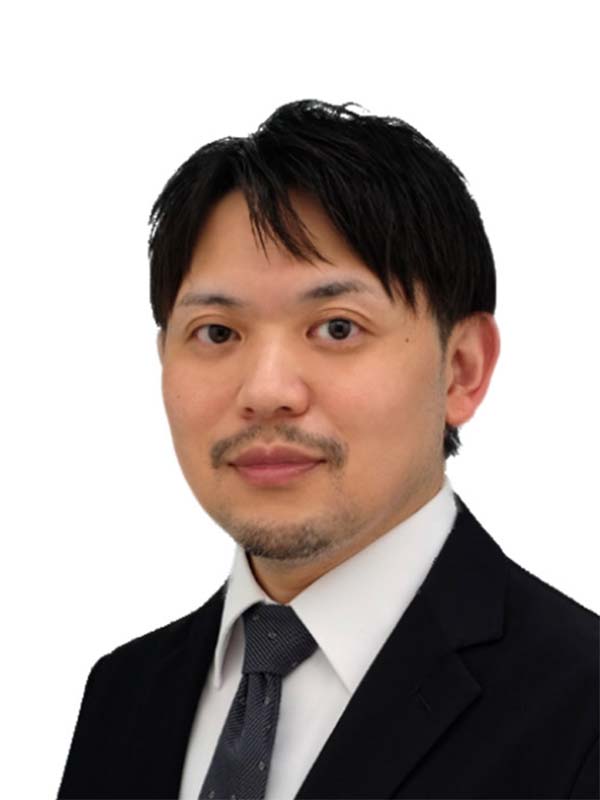
『閉鎖性睡眠時無呼吸に対する睡眠外科の役割 -顎骨形態が及ぼす気道への影響-』
日本大学歯学部口腔外科学第Ⅰ講座 篠塚 啓二
閉塞性睡眠時無呼吸(Obstructive Sleep Apnea:OSA)の主な要因として肥満が知られているが、日本人を含むアジア人では顎顔面骨格形態の異常による上気道の狭窄や抵抗増大が大きく関与している。その改善法の一つとして睡眠外科手術があり、なかでも上下顎前方移動術(Maxillo-Mandibular Advancement:MMA)や舌骨上筋群前方移動術(Genioglossus Advancement:GA)は、顎骨および周囲軟組織を前方へ移動させることで、上気道の解剖学的拡大と舌位置の改善を図る術式である。
従来の研究では形態学的変化の解析が主体であり、上気道形態の変化と呼吸生理学的機能の関連は十分に評価されていなかった。そこでわれわれは、数値流体力学(Computational Fluid Dynamics:CFD)解析を用いて手術前後の上気道呼吸動態を評価するとともに、麻酔科領域で抜管前の気道狭窄スクリーニングに用いられるカフリークテスト(Cuff Leak Test:CLT)を応用し、上気道内圧変化の検討を行った。CFDは新型コロナウイルス感染症における唾液飛沫拡散シミュレーションでも用いられ、気流の可視化に有効な手法である。
本講演では、OSA患者における顎顔面骨格形態の特徴と、顎骨移動術後に生じる上気道の生理学的機能変化について解説する。さらに、顎変形症を「生理学的機能異常の表現型」と捉え、形態のみを矯正しても機能が改善されなければ後戻りを生じうる点を示し、治療における機能的評価の重要性を強調したい。
〈略歴〉
| 2004年 | 日本大学歯学部 卒業 |
| 2010年 | 千葉大学大学院医学薬学府(先進医療科学専攻 口腔科学)修了 博士(医学) |
| 2010年 | 筑波大学 医学医療系 助教 |
| 2013年 | University of Texas MD Anderson Cancer Center Visiting Assistant Professor |
| 2015年 | 帝京大学医学部形成・口腔顎顔面外科学講座 助手 |
| 2016年 | 日本大学歯学部口腔外科学講座 助教 |
| 2022年 | 日本大学歯学部口腔外科学第Ⅰ講座 専任講師 |
| 2024年 | 日本大学歯学部口腔外科学第Ⅰ講座 准教授 |
| 2025年 | 日本大学歯学部付属歯科病院口腔外科1 診療科長 |
〈所属学会・資格〉
日本睡眠歯科学会:評議員/認定医・指導医、日本睡眠学会:評議員/歯科専門医、日本口腔外科学会:代議員/指導医・専門医、日本口腔内科学会:評議員、日本口腔科学会:指導医・認定医、日本日本小児口腔外科学会:指導医、日本顎変形症学会:認定医(口腔外科)、日本顎関節学会:暫定指導医、日本歯科薬物療法学会:専門医、日本有病者歯科医療学会:認定医、日本日本化学療法学会:抗菌化学療法認定歯科医、インフェクションコントロールドクター(ICD)
Special Lecture
11:45〜12:45
“The Role of Sleep Surgery in Obstructive Sleep Apnea: Effects of Craniofacial Skeletal Morphology on the Upper Airway”
Keiji Shinozuka
(1st Department of Oral and Maxillofacial Surgery, Nihon University School of Dentistry)
Obstructive sleep apnea (OSA) is often associated with obesity; however, in Asians, including Japanese, craniofacial skeletal abnormalities play a major role by causing anatomical narrowing of the upper airway and increasing airway resistance. Surgical interventions for sleep-disordered breathing include maxillomandibular advancement (MMA) and genioglossus advancement (GA). These procedures reposition the jaws and surrounding soft tissues anteriorly, thereby enlarging the upper airway and improving tongue position.
Previous studies have primarily focused on morphological changes, and the relationship between airway morphology and respiratory physiology has not been sufficiently evaluated. In this study, we applied computational fluid dynamics (CFD) analysis to assess perioperative changes in upper airway airflow dynamics. In addition, we employed the cuff leak test (CLT), a method commonly used in anesthesiology to screen for airway obstruction prior to extubation, to evaluate changes in intra-airway pressure. CFD, widely recognized as a tool for visualizing airflow—such as in simulations of droplet dispersion during the COVID-19 pandemic—proved to be useful in this context.
This lecture will highlight the craniofacial characteristics of OSA patients and discuss how surgical repositioning of the jaws modifies upper airway physiology. Furthermore, we will emphasize the concept that dentofacial deformities represent both morphological expressions of physiological dysfunction and causes of functional impairment. As correction of skeletal morphology alone cannot ensure stable outcomes without improvement in function, physiological evaluation is indispensable in surgical treatment.
〈Brief Personal History〉
| 2025-Present | Chief, 1stDepartment of Oral and Maxillofacial Surgery, Nihon University School of Dentistry Dental Hospital |
| 2024-Present | Associate Professor, Department of Oral and Maxillofacial Surgery, Nihon University School of Dentistry |
| 2017-2024 | Assistant Professor, Department of Oral and Maxillofacial Surgery, Nihon University School of Dentistry |
| 2015-2016 | Assistant Professor, Department of Oral and Maxillofacial Surgery, Teikyo University School of Medicine |
| 2013-2015 | Visiting Assistant Professor, Department of GI medical Oncology, University of Texas MD Anderson Cancer Center, Houston, Texas, USA |
| 2010-2013 | Assistant Professor, Department of Oral and Maxillofacial Surgery, University of Tsukuba |
| 2010-2010 | Clinical Fellow in Internal Medicine, Department of Oral and Maxillofacial Surgery, The University of Tsukuba Hospital |
| 2010 |
Ph.D. Graduate School of medicine, Chiba University (Thesis: Down-Regulation of Carcinoembryonic Antigen-Related Cell Adhesion Molecule 1 in Oral Squamous Cell Carcinoma: Correlation with Tumor Progression and Poor Prognosis.) |
| 2006-2010 | Graduate School of medicine, Chiba University |
| 2004-2007 | Resident in Department of Dentistry and Oral Surgery, Chiba University Hospital |
| 1998-2004 | D.D.S. Nihon University School of Dentistry |
会員発表
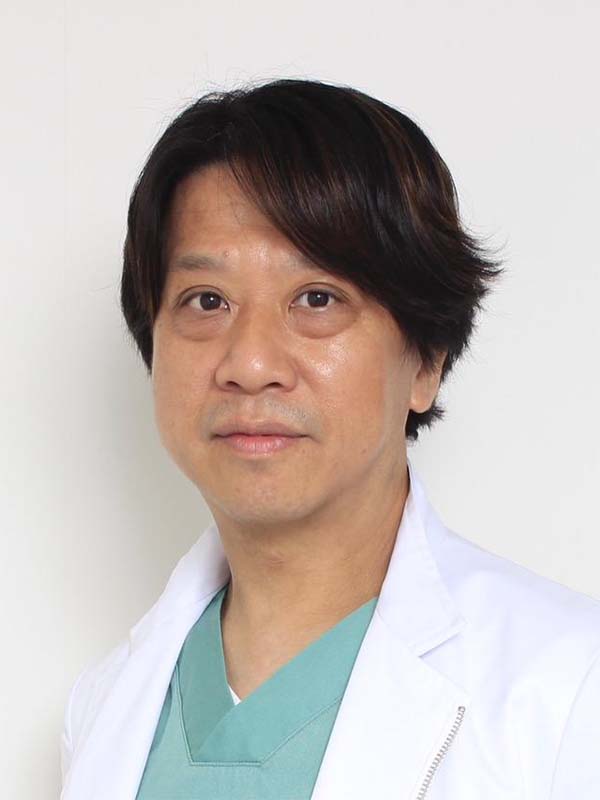
(教育講演)『閉塞性睡眠時無呼吸における矯正歯科医の役割』
14:15〜15:00
RYU矯正歯科クリニック郡山プレミア
竜 立雄
閉塞性睡眠時無呼吸(Obstructive Sleep Apnea)について、歯科矯正学第7版ではチーム医療の中の矯正歯科治療というカテゴリーに記述されている。これは睡眠時無呼吸の治療には、密な医科歯科連携が必須であることを示している。睡眠時無呼吸は、睡眠中に10秒以上の換気停止を断続的に繰り返す睡眠関連呼吸障害の1つであり、小児期においては乳幼児突然死症候群の原因となり、身体や精神の成長・発達を妨げ、不登校や学習障害につながる場合もあることから医学的にも社会的にも放置できない重要な疾患とされている。
そこで今回は小児閉塞性睡眠時無呼吸(以下、小児OSA)についてフォーカスして、矯正歯科医がどのように介入するべきかを解説する。顎顔面形態の成長により病因も病態も変化する小児OSAの治療には学際的なアプローチが必要である。
小児OSAの医科歯科連携では、顎顔面の成長発育を理解し、医科歯科専門領域でのエビデンスに基づいた共通理解を得る必要性がある。顎顔面形態と不正咬合の改善を担う歯科矯正治療の目的は、不正咬合によって引き起こされる顎口腔領域で営まれる咀嚼、摂食、発音などの顎口腔機能の障害、審美性が損なわれることによる社会生活における不都合や心理的障害を予防、抑制、回復することにより、患者の健康およびQOLの向上に資することにある。
矯正歯科治療では、小児期からの不正咬合の発生を予測し予防する予防矯正、成長発育期に不正咬合の誘因を見極め、正常な発育を誘導する抑制矯正、顎整形力を作用させて顎骨の成長を促進する顎顔面整形治療や咀嚼筋や口腔周囲筋の機能力を利用した機能的矯正治療によって、口腔顎顔面と歯列・咬合の正常な成長発育へ誘導する。
小児OSA患者は、睡眠呼吸障害を伴うことから、耳鼻科疾患、呼吸器疾患などの医科的疾患、著しい顎顔面形態の不調和と口腔機能不全、舌機能の低下などの問題があるために難易度の高い治療と考えられる。
本講演では、矯正歯科医の立場から小児OSA患者のための歯科矯正学的評価と診断ワークフロー、治療アプローチについて述べる。また小児OSAのおける矯正歯科治療の役割について、エビデンスに基づき考察したい。今後の小児OSAの予防や治療法の提唱と適切な睡眠歯科医療の提供の一助となれば幸いである。
〈資格〉
- 歯学博士
- 日本矯正歯科学会 指導医・認定医
- 日本3Dプリンティング矯正歯科学会 認定医
- 日本アンチエイジング歯科学会 認定医
- 厚生労働省歯科医師臨床研修 指導歯科医
〈略歴〉
| 1997年3月 | 奥羽大学歯学部卒業 |
|---|---|
| 1997年5月 | 奥羽大学歯学部附属病院 臨床研修医 |
| 1998年4月 | 奥羽大学大学院歯学研究科(歯科矯正学専攻) |
| 2002年3月 | 奥羽大学大学院歯学研究科(歯科矯正学専攻)博士(歯学)学位受領 |
| 2003年4月 | 奥羽大学歯学部小児歯科学講座 助手 |
| 2005年4月 | 奥羽大学歯学部歯科矯正学講座 助手 |
| 2005年4月 | 東北歯科専門学校 非常勤講師 |
| 2007年4月 | 奥羽大学歯学部成長発育歯学講座歯科矯正学分野 講師 |
| 2020年6月 | 国際歯科学士会 (ICD) International College of Dentists Fellow |
| 2022年5月 | The Northern California Edward H. Angle Society Affiliate Member |
| 2022年6月 | RYU矯正歯科クリニック郡山プレミア 開設 院長 |
| 現在に至る。 |
〈所属学会・役職〉
日本矯正歯科学会 代議員
日本包括的矯正歯科学会
日本成人矯正歯科学会 編集委員会委員
日本舌側矯正歯科学会 理事, 査読委員会委員、編集委員会委員、学術委員会委員、
地区担当委員会委員、倫理裁定委員会委員、タイポドントコースインストラクター
日本先進矯正歯科学会
日本顎変形症学会
日本口蓋裂学会
日本臨床矯正歯科医会 東北支部副支部長, 学術委員会委員
日本3Dプリンティング矯正歯科学会 理事, 広報委員会委員長、認定委員会委員
日本アンチエイジング歯科学会 理事, 矯正歯科部会委員
日本口腔筋機能療法 (MFT) 学会 理事, 渉外委員会委員長
日本小児歯科学会
東北矯正歯科学会 評議員, 学術委員会委員
日本睡眠学会
日本睡眠歯科学会 評議員
Edward H. Angle Society Affiliate Member
World Dentofacial Sleep Society Active Member
Progress in Orthodontics Reviewer
国際歯科学士会 (ICD) International College of Dentists Fellow, 事業運営委員
[Member Presentation (Educational Lecture)]
14:15〜15:00
“The Role of Orthodontists in Obstructive Sleep Apnea”
Tatsuo Ryu DDS, PhD (Ryu Orthodontic Clinic Koriyama Premier)
Obstructive Sleep Apnea (OSA) is classified under “orthodontic treatment within interdisciplinary healthcare” in the 7th edition of Orthodontics. This categorization underscores the necessity of close medical-dental collaboration in the management of sleep apnea. OSA is defined as a sleep-related breathing disorder characterized by recurrent episodes of ventilation cessation lasting for 10 seconds or longer during sleep. In pediatric populations, OSA may serve as a causative factor for sudden infant death syndrome, impair physical and psychological growth and development, and contribute to school refusal and learning disabilities. Consequently, OSA is regarded as a critical disorder that warrants medical and social attention.
The present discussion focuses on pediatric obstructive sleep apnea (hereafter referred to as pediatric OSA), with particular emphasis on the role of orthodontists in its management. Given that both the etiology and pathophysiology of pediatric OSA vary with craniofacial growth, a multidisciplinary approach is indispensable. Within medical-dental collaboration, it is essential to establish a shared understanding based on evidence from both medical and dental domains, grounded in comprehensive knowledge of craniofacial growth and development.
The objectives of orthodontic treatment, which addresses craniofacial morphology and malocclusion, are to prevent, control, and rehabilitate disturbances of oral and maxillofacial functions—such as mastication, feeding, and speech—as well as to mitigate psychosocial disadvantages arising from impaired esthetics. Ultimately, orthodontic intervention aims to contribute to the improvement of overall health and quality of life (QOL).
Orthodontic modalities include preventive orthodontics, which anticipates and avoids the development of malocclusion from early childhood; interceptive orthodontics, which identifies etiological factors during growth and promotes normal development; dentofacial orthopedic treatment, which stimulates jaw growth through orthopedic forces; and functional orthodontics, which harnesses the activity of the masticatory and perioral musculature. These therapeutic strategies are directed toward guiding normal craniofacial and occlusal development. However, pediatric OSA patients frequently present with sleep-related breathing disorders, otolaryngological and respiratory comorbidities, significant craniofacial disharmony, oral dysfunction, and impaired lingual function, thereby rendering treatment highly complex.
This lecture will outline orthodontic evaluation and diagnostic workflows for pediatric OSA patients and present treatment strategies from the perspective of orthodontic practice. Furthermore, the role of orthodontic treatment in pediatric OSA will be considered based on current evidence. It is anticipated that these considerations will contribute to the advancement of preventive and therapeutic approaches for pediatric OSA, as well as to the development of appropriate dental sleep medicine.
Qualifications
Doctor of Dental Science (Ph.D.)
Certified Specialist and Instructor, Japanese Orthodontic Society
Certified Specialist, Japanese 3D Printing Orthodontic Society
Certified Specialist, Japanese Academy of Anti-Aging Dentistry
Certified Clinical Instructor for Dental Interns, Ministry of Health, Labour and Welfare, Japan
Professional Career
March 1997: Graduated from Ohu University, Faculty of Dentistry
May 1997: Clinical Resident, Ohu University Dental Hospital
April 1998: Graduate School of Dentistry, Ohu University (Department of Orthodontics)
March 2002: Awarded Ph.D. in Dentistry (Orthodontics), Graduate School of Dentistry, Ohu University
April 2003: Assistant, Department of Pediatric Dentistry, Faculty of Dentistry, Ohu University
April 2005: Assistant, Department of Orthodontics, Faculty of Dentistry, Ohu University
April 2005: Part-time Lecturer, Tohoku Dental College
April 2007: Lecturer, Division of Orthodontics, Department of Growth and Developmental Dentistry, Faculty of Dentistry, Ohu University
June 2020: Fellow, International College of Dentists (ICD)
May 2022: Affiliate Member, The Northern California Edward H. Angle Society
June 2022: Director, RYU Orthodontic Clinic Koriyama Premier
Present
Memberships and Positions
- Delegate, Japanese Orthodontic Society
- Member, Japanese Academy of Comprehensive Orthodontics
- Editorial Board Member, Japanese Association of Adult Orthodontics
-
Board Member, Japanese Lingual Orthodontic Association
- Member, Peer Review Committee
- Member, Editorial Committee
- Member, Academic Committee
- Member, Regional Affairs Committee
- Member, Ethics Committee
- Typodont Course Instructor
- Member, Japanese Academy of Advanced Orthodontics
- Member, Japanese Society for Jaw Deformities
- Member, Japanese Cleft Palate Association
- Vice Director, Tohoku Branch / Academic Committee Member, Japan Association of Clinical Orthodontists
- Board Member, Japanese 3D Printing Orthodontic Society
- Chair, Public Relations Committee
- Member, Certification Committee
- Board Member, Japanese Academy of Anti-Aging Dentistry
- Committee Member, Orthodontic Section
- Board Member, Japanese Myofunctional Therapy (MFT) Society
- Chair, International Affairs Committee
- Member, Japanese Society of Pediatric Dentistry
- Councilor / Academic Committee Member, Tohoku Orthodontic Society
- Member, Japanese Society of Sleep Research
(症例発表)『ブラキシズムを伴うSkeletal Cl II 症例の包括的矯正治療』
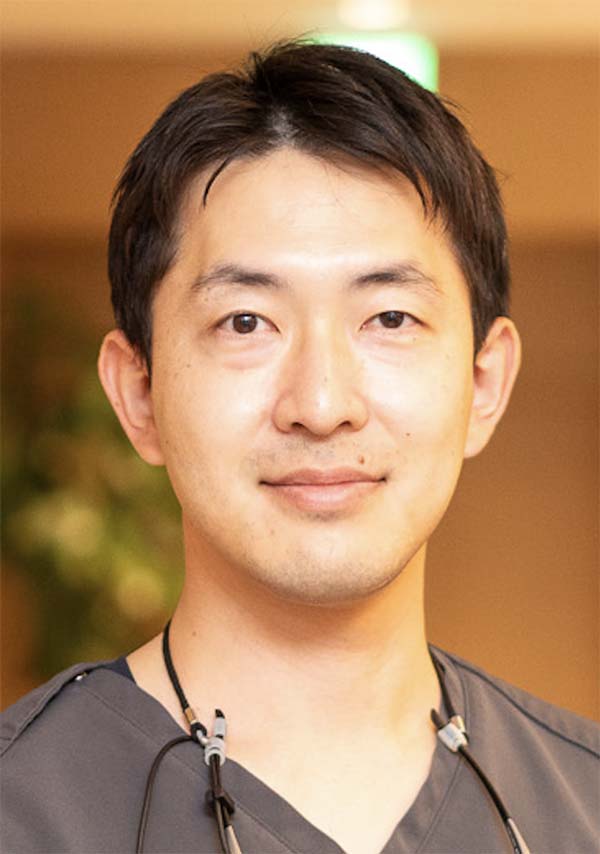
15:10〜15:40
ノブレストラティブデンタルオフィス 堀切 雅文
本症例は、ブラキシズムを有するSkeletal Class II(Facial Pattern: Dolicofacial)患者に対し、審美的・機能的改善を目的とした包括的矯正治療を行ったものである。患者は初診時42歳女性で、主訴は前歯部叢生と咬耗による審美障害の改善であった。診査により、ブラキシズムおよびTCH(Tooth Contacting Habit)、顎位の後退、アンテリアガイダンスの欠如を認めた。
包括的矯正歯科DIPベーシックコースおよびアドバンスコースで学んだDIP(Dual Incisal Planning)コンセプトに基づき診査・診断を行い、治療計画を立案した。本症例は、咬合再構成と補綴治療を連携させることで、ブラキシズム患者においても機能と審美の両立が可能であることを示す一例である。
現在も治療途中ではあるが、その治療過程を症例報告として提示する。
本講演に利益相反はない。
〈略歴〉
| 2010年 | 日本大学松戸歯学部卒業 |
|---|---|
| 2010年 | 日本大学松戸歯学部附属病院 臨床研修 |
| 2011年 | 医療法人社団 神奈川県医療法人勤務 |
| 2015年 | 医療法人社団 聖功会ノブレストラティブデンタルオフィス勤務 |
〈所属学会・スタディーグループ〉
- 日本臨床歯科医学会東京支部会員(東京SJCD)
- 日本歯周病学会会員
- 日本睡眠学会会員、日本睡眠歯科学会会員
- 日本包括的矯正歯科学会(JIOS)会員
[Member Presentation (Case Presentation)]
15:10〜15:40
“Comprehensive Orthodontic Treatment of a Skeletal Class II Case with Bruxism”
Dr. Masafumi Horikiri (NOBU RESTORATIVE DENTAL OFFICE)
This case report describes comprehensive orthodontic treatment for a patient with Skeletal Class II (Facial Pattern: Dolicofacial) and bruxism, aimed at improving both esthetics and function. The patient was a 42-year-old female whose chief complaints were crowding of the anterior teeth and esthetic concerns due to attrition. Clinical examination revealed bruxism, tooth contacting habit (TCH), retruded mandibular position, and lack of anterior guidance.
Diagnosis and treatment planning were performed based on the Dual Incisal Planning (DIP) concept, as learned in the Comprehensive Orthodontics DIP Basic and Advanced Courses. The treatment involved coordinated occlusal reconstruction and prosthetic rehabilitation, demonstrating that functional and esthetic harmony can be achieved even in patients with bruxism.
Although treatment is still in progress, the process and interim results will be presented. The author declares no conflict of interest.
Profile
2010 Graduated from Nihon University School of Dentistry at Matsudo
2010 Completed clinical training at Nihon University Matsudo Hospital
2011 Joined a medical corporation in Kanagawa Prefecture
2015–Present Working at Seikokai Nobu Restorative Dental Office
Affiliations & Study Groups
Member, Tokyo Branch, Japan Academy of Clinical Dentistry (Tokyo SJCD)
Member, Japanese Society of Periodontology
Member, Japanese Society of Sleep Research
Member, Japanese Society of Dental Sleep Medicine
Member, Japan Institute for Advanced Dental Studies in Orthodontics (JIOS)