
『矯正治療患者における歯周組織のマネジメントの再考』
『Rethinking Periodontal Tissue Management in Orthodontic Patients 』
日時:2026年8月30日(日)10:00〜17:00
会場:野村コンファレンスプラザ日本橋5F 大ホールB
大会長挨拶
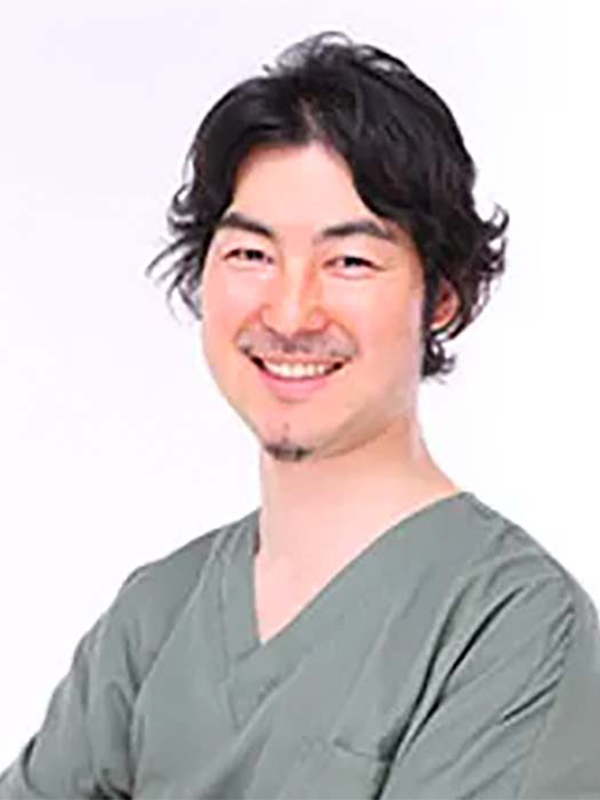
友和デンタルクリニック
行田 長隆
只今、調整中です。(2026年7月28日 現在)
タイムスケジュール
| 時間 | 内容 | 登壇者・司会 |
|---|---|---|
| 10:00〜10:10 | 開会 大会長挨拶 代表挨拶 | 行田 長隆 綿引 淳一 |
| 10:10~10:20 | アンケート | 宮野 二美加 |
| [特別講演] | ||
| 10:20〜11:20 | 「下顎前歯部歯肉退縮に対する根面被覆術 -同部位の特殊性と術式選択における考慮点-」 質疑応答(10分) | 尾野 誠 |
| 11:30〜11:35 | 休憩 | |
| [教育講演(会員発表)] | ||
| 11:35〜12:35 | 「矯正治療において機能する歯周組織の獲得のために -歯周治療の変遷とこれからの専門医連携を探る-」 質疑応答(10分) | 和田 明大 |
| 12:45〜12:55 | 写真撮影 | |
| 12:55~13:55 | 昼休み | |
| 13:55〜14:35 | パネルディスカッション(コンセンサス会議) | 議長:綿引 淳一、行田 長隆 パネリスト:尾野 誠、和田 明大 |
| 14:35〜14:40 | 休憩 | |
| [会員発表] | ||
| 14:40〜15:15 | 「下顎後退を伴う骨格性II級1類不正咬合症例に対し 側貌の改善を考慮した一症例」 | 小室 敦 |
| [会員発表] | ||
| 15:20〜15:55 | 「下顎側切歯先天欠損を有するAngle classⅡ再矯正患者に対して O-PROを適用した一症例」 | 周藤 巧 |
| [会員発表] | ||
| 16:00〜16:35 | 「包括的矯正治療における装置選択の基準 -アンカレッジおよび移動様式のバイオメカニクスを考慮した2症例-」 | 林 宏規 |
| 16:35〜16:45 | 代表挨拶 お知らせ・次回大会予告 閉会 | 綿引 淳一 |
特別講演
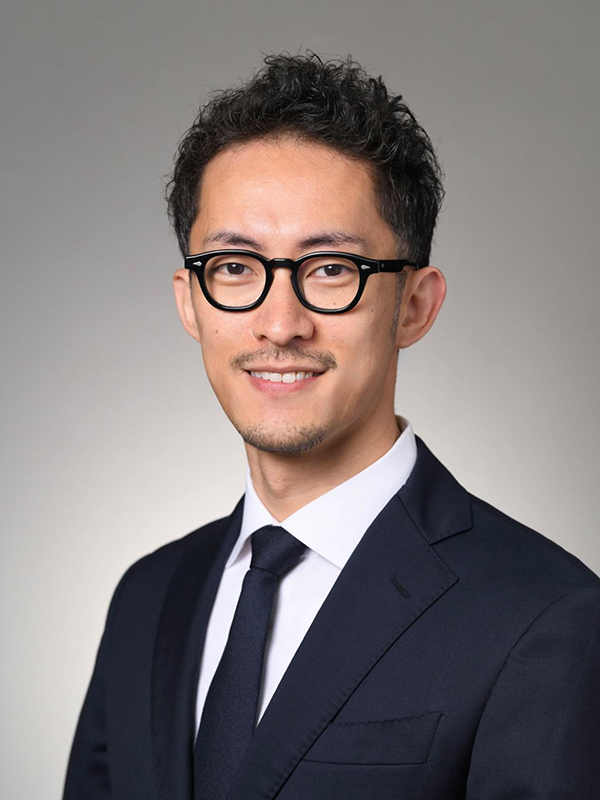
10:20〜11:20
『下顎前歯部歯肉退縮に対する根面被覆術 -同部位の特殊性と術式選択における考慮点-』
四条烏丸歯科クリニック
尾野 誠
下顎前歯部の歯肉退縮に対する根面被覆術は、その解剖学的特徴によりいくつかの制限を受ける。下顎前歯部は、小帯の高位付着、筋肉による牽引、浅い口腔前庭、薄い歯肉フェノタイプ、歯列不正、狭い歯間乳頭、角化歯肉の不足などといった歯肉退縮の解剖学的な素因が集中している部位であり、同時にこれらの条件は治療を難しくする。実際に上顎前歯部と比較して治療の難易度が高く、平均根面被覆率も低い値になりやすい。
また、同部位は歯槽骨の唇舌幅が狭いため矯正治療後に意図せず歯根が歯槽骨外に逸脱しているケースも多い。矯正治療の合併症としても歯肉退縮は無視できない。
本講演では下顎前歯部の根面被覆術を行う際に、私が意識しているポイントを整理し、外科手術を行うタイミングや戦略的な術式選択を紹介したい。
〈プロフィール〉
氏名:尾野 誠
所属:四条烏丸歯科クリニック
〈略歴・所属学会・資格〉
| 2010年 | 朝日大学歯学部卒業 |
|---|---|
| 2011年 | 医療法人泰歯会 四条烏丸歯科クリニック 勤務 |
| 2018年 | JIADS ペリオコース 常任講師 |
| 2021年 | Institute for Periodontal Regenerative Therapy co-director |
| Geistlich Japan 講師 | |
| 2023年 | Young ITI インプラントスクール 講師 |
| 2024年 | ストローマンインプラントスクール 講師 |
| 国際歯周形成外科学会(ISPPS) Fellow, Board member | |
| 2025年 | ITI fellow |
| ITI study club 京都 co-director | |
| 東京科学大学歯周病科 非常勤講師 |
Special Lecture
10:20〜11:20
“Root Coverage Procedures for Gingival Recession in the Mandibular Anterior Region - Anatomical Challenges and Surgical Strategy -”
Makoto Ono (Shijo Karasuma Dental Clinic)
Root coverage procedures for gingival recession in the mandibular anterior region are subject to several limitations due to the anatomical characteristics of this area. The mandibular anterior region is a site where anatomical predisposing factors for gingival recession are concentrated,including high frenal attachment, muscle traction, shallow vestibular depth, thin gingival phenotype, tooth malposition, narrow interdental papillae, and insufficient keratinized gingiva.
At the same time, these conditions make treatment more challenging. In fact, compared with the maxillary anterior region, root coverage procedures in the mandibular anterior region are generally more technically demanding and tend to show lower mean root coverage. In addition, because the labiolingual width of the alveolar bone is limited in this area, the roots may often be unintentionally positioned outside the alveolar housing after orthodontic treatment. Therefore, gingival recession should not be overlooked as a possible complication of orthodontic treatment.
In this lecture, I will summarize the key points that I consider when performing root coverage procedures in the mandibular anterior region, and discuss the timing of surgical intervention as well as strategic selection of surgical techniques.
Biography / Profile
Name: Makoto Ono
Affiliation: Shijo Karasuma Dental Clinic
Professional Background
2010: Graduated from Asahi University School of Dentistry
2011: Joined Shijo Karasuma Dental Clinic (Taishikai Dental Corporation)
2018: Permanent Instructor, JIADS Periodontal Course
2021: Co-director, Institute for Periodontal Regenerative Therapy
Lecturer, Geistlich Japan
2023: Lecturer, Young ITI Implant School
2024: Lecturer, Straumann Implant School
Fellow and Board Member, International Society of Periodontal Plastic Surgeons (ISPPS)
2025: ITI Fellow
Co-director, ITI Study Club Kyoto
Part-time Lecturer, Department of Periodontology, Institute of Science Tokyo
会員発表
(教育講演)『矯正治療において機能する歯周組織の獲得のために -歯周治療の変遷とこれからの専門医連携を探る-』

11:35〜12:35
東京日本橋AQUA歯科・矯正歯科包括CLINIC
和田 明大
歯周外科治療は、ポケット除去を主眼とした切除療法から、GTRに始まる再生療法へと転換した。その後、乳頭保存術やバリア膜から生物学的製剤(EMD、rhPDGF-BB、FGF-2)への移行を経て、現在では低侵襲手術(MIST/M-MIST)から乳頭に切開を加えない術式(EPPT、NIPSA)へと発展を遂げている。さらに近年の焦点は、骨内欠損への再生療法に結合組織移植(CTG)を併用する硬・軟組織の付加的アプローチへと移っており、その治療目標は「骨の再生」から「骨・軟組織の再生、審美性の獲得、および歯肉退縮の予防の同時達成」へと拡張している。一方で、これらの最新の術式は長期的なエビデンスがなお十分とは言えず、テクニックセンシティブであるがゆえに術式の選択が術者依存的になりやすい。これまでの報告を鑑みても、再生療法が歯肉退縮や術後感染などのリスクを伴うことは、臨床において留意すべき事実である。
歯肉退縮のリスクは、矯正治療においても同様に生じうる。Cadenas de Llano-Pérulaらのシステマティックレビュー(Eur J Orthod 2023)によれば、歯肉退縮と最も一貫して関連する因子は切歯の唇側傾斜であり、薄い歯肉フェノタイプ、既存の退縮、角化歯肉幅、唇側歯肉辺縁の厚み、そしてオトガイ結合の形態との関連も示唆されている。したがって、矯正治療の目標は、初診時の顔貌(骨格)と歯周フェノタイプという初期条件が許容する範囲内で設定されるべきである。また、これらの制限を最新の歯周外科術式で補うような治療計画を立案する場合には、矯正担当医と歯周治療担当医の双方に、知識と手技の絶え間ないアップデートが求められる。
「機能する歯周組織」とは、単に炎症がない状態を指すのではなく、計画された歯牙の移動ベクトルに耐え、長期的に歯肉辺縁の位置を保持しうる組織のことである。その獲得には、紹介前チェックリストの活用、開始前・矯正中(半年ごとのプロービング)・矯正後の定期的なモニタリング、およびリスク部位マップの共有といった、シームレスな専門医連携の運用設計が不可欠となる。また、厚いフェノタイプが歯肉辺縁の長期安定に寄与するとの報告があることから、フェノタイプ修正療法を矯正患者に応用することには生物学的な合理性が認められる。しかし、矯正治療前の予防的な軟組織増大の効果を検証した質の高いRCTは未だ限られており、最適な介入時期についても確立されていないのが現状である。
本講演では、このようにエビデンスが未確立な領域においても、日々の臨床に即した現実的な連携を基盤として考察を進める。さらに今後の展望として、歯肉退縮を最小化するための包括的な歯周組織マネジメント(Anti-Recession Concept)についても解説する。
〈プロフィール〉
氏名:和田 明大
所属:東京日本橋AQUA歯科・矯正歯科包括CLINIC
〈略歴〉
| 2016年 | 九州歯科大学歯学部 卒業 |
|---|---|
| 2016〜2022年 | 医療法人仁和会 勤務 |
| 2018〜2022年 | 徳島大学大学院 歯周歯内治療学分野 社会人博士課程修了 |
| 2022年〜 | 東京日本橋AQUA歯科・矯正歯科包括CLINIC 副院長 |
| Bivi歯科クリニック 非常勤勤務 | |
| 2024年〜 | 昭和大学歯科矯正学講座 普通研究生 |
〈所属学会・資格〉
- 日本歯周病学会 歯周病専門医
- 日本包括的矯正歯科学会 理事・認定医
- Interdisciplinary Orthodontics Research Center 副センター長
- 日本矯正歯科学会 会員
[Educational Lecture (Member Presentation)]
11:35〜12:35
“Functional Periodontal Tissues in Orthodontic Treatment -From the Evolution of Periodontal Therapy to Future Interdisciplinary Collaboration”
Akihiro Wada (Tokyo Nihonbashi AQUA Dental & Orthodontics Interdisciplinary Clinic)
Periodontal surgery has shifted from resective therapy aimed at pocket elimination to regenerative therapy beginning with guided tissue regeneration. It has since progressed through papilla preservation techniques and the transition from barrier membranes to biologics (EMD, rhPDGF-BB, FGF-2), and has now advanced from minimally invasive surgery (MIST/M-MIST) to approaches that avoid incising the papilla altogether (EPPT, NIPSA). In recent years the focus has moved further, toward additive hard- and soft-tissue approaches in which regeneration of intrabony defects is combined with connective tissue grafting; the therapeutic goal has correspondingly expanded from bone regeneration alone to the simultaneous achievement of hard- and soft-tissue regeneration, esthetic outcome, and prevention of gingival recession. Long-term evidence for these newer techniques remains insufficient, however, and because they are highly technique-sensitive, the choice of procedure readily becomes operator-dependent. Even in light of the published literature to date, the fact that regenerative therapy carries risks such as gingival recession and postoperative infection remains a clinically important consideration.
The risk of gingival recession arises equally in orthodontic treatment. The systematic review by Cadenas de Llano-Pérula et al. (Eur J Orthod 2023) identifies incisor proclination as the factor most consistently associated with gingival recession, with associations also suggested for thin gingival phenotype, pre-existing recession, keratinized tissue width, buccal gingival margin thickness, and symphysis morphology. Orthodontic objectives should therefore be set within the range permitted by the initial conditions present at the first examination—facial and skeletal morphology together with periodontal phenotype. Where a treatment plan seeks to compensate for these constraints through contemporary periodontal surgical techniques, continual updating of both knowledge and technical skill is demanded of the orthodontist and the periodontist alike.
"Functional" periodontal tissue denotes not merely the absence of inflammation, but tissue capable of withstanding the planned vector of tooth movement and of maintaining the position of the gingival margin over the long term. Achieving this requires a well-designed framework for seamless interdisciplinary collaboration: use of a pre-referral checklist, regular monitoring before, during (six-monthly probing), and after orthodontic therapy, and shared mapping of high-risk sites. Furthermore, since a thick phenotype has been reported to contribute to long-term stability of the gingival margin, there is biological rationale for applying phenotype modification therapy to orthodontic patients. High-quality randomized controlled trials verifying the effect of preventive soft tissue augmentation prior to orthodontic treatment remain limited, however, and the optimal timing of intervention has yet to be established.
This lecture develops its discussion of these areas of unestablished evidence on the basis of realistic collaboration grounded in daily clinical practice. As a future perspective, it also addresses comprehensive periodontal tissue management aimed at minimizing gingival recession—the Anti-Recession Concept.
Biography / Profile
Name: Akihiro Wada
Affiliation: Tokyo Nihonbashi AQUA Dental & Orthodontics Interdisciplinary Clinic
Professional Background
2016: Graduated from Kyushu Dental University School of Dentistry
2016–2022: Worked at Medical Corporation Jinwakai
2018–2022: Completed Doctoral Program (Working Student), Department of Periodontology and Endodontology, Tokushima University Graduate School
2022–Present: Vice Director, Tokyo Nihonbashi AQUA Dental/Orthodontic Comprehensive Clinic
Part-time Dentist, BiVi Dental Clinic
2024–Present: Research Student, Department of Orthodontics, Showa University School of Dentistry
Affiliations & Qualifications
Board Certified Periodontist, The Japanese Society of Periodontology
Board Member and Certified Specialist, Japan Integrated Orthodontic Society (JIOS)
Vice Director, Interdisciplinary Orthodontics Research Center
Member, Japanese Orthodontic Society
『下顎後退を伴う骨格性II級1類不正咬合症例に対し側貌の改善を考慮した一症例』

14:40〜15:15
表参道AK歯科・矯正歯科
小室 敦
骨格性II級1類不正咬合では、咬合関係の改善に加え、側貌の改善を考慮した治療目標の設定が重要である。
今回、下顎後退を伴う骨格性II級1類不正咬合症例に対し、VTOを用いて側貌を考慮した治療計画を立案し、良好な結果を得たため報告する。
患者は25歳女性で、主訴は上下顎前歯の叢生および口元の突出感であった。精密検査の結果、下顎後退を伴う骨格性II級1類不正咬合と診断した。上下顎第一小臼歯を抜歯し、表側マルチブラケット装置およびTranspalatal Arch(TPA)を用いて矯正歯科治療を行った。治療期間は1年9か月であった。治療後は良好な咬合関係を獲得するとともに、口唇突出感の改善および調和のとれた側貌が得られた。
本症例を通じて、VTOを用いて側貌を考慮した治療目標を設定することは、患者の審美的要求を踏まえた治療計画の立案に有用であると考えられた。
〈プロフィール〉
氏名:小室 敦
所属:表参道AK歯科・矯正歯科
〈略歴〉
| 2013年 | 日本歯科大学 生命歯学部 卒業 |
|---|---|
| 2013年 | 日本歯科大学附属病院 臨床研修 |
| 2014年 | 都内医療法人勤務 |
| 2020年 | 表参道AK歯科・矯正歯科 開設 |
〈所属学会・資格〉
- 日本矯正歯科学会
- 日本舌側矯正歯科学会
- 日本臨床歯科学会(東京SJCD)
- 日本包括的矯正歯科学会
- 日本歯周病学会
- 下間矯正研修会
- LEVEL ANCHORAGE SYSTEM 会員
- 近畿矯正歯科研究会
[Member Presentation]
14:40〜15:15
Title: “A Case of Skeletal Class II Division 1 Malocclusion with Mandibular Retrusion Focused on Improving the Lateral Profile”
Atsushi Komuro (Omotesando AK Dental Orthodontics)
In patients with skeletal Class II Division 1 malocclusion, establishing treatment objectives that consider not only occlusal improvement but also facial profile enhancement is essential.
We report the case of a 25-year-old woman with skeletal Class II Division 1 malocclusion associated with mandibular retrognathia who was treated based on a treatment plan established using a visual treatment objective (VTO) with emphasis on facial profile improvement.
Her chief complaints were crowding of both dental arches and protrusion of the lips. Following a comprehensive examination, a diagnosis of skeletal Class II Division 1 malocclusion with mandibular retrognathia was made. Orthodontic treatment consisted of extraction of the four first premolars using a labial fixed appliance in conjunction with a transpalatal arch (TPA). The active treatment period was 1 year and 9 months. Following treatment, a favorable occlusion, improvement in lip protrusion, and a harmonious facial profile were achieved.
This case suggests that establishing treatment objectives using a VTO while considering facial profile improvement is useful for treatment planning that addresses the patientʼs esthetic concerns.
Biography / Profile
Name: Atsushi Komuro
Affiliation: Omotesando AK Dental Orthodontics
Professional Background
2013: Graduated from The Nippon Dental University School of Life Dentistry at Tokyo
2013: Clinical Residency, The Nippon Dental University Hospital
2014: Worked at a Medical Corporation in Tokyo
2020: Established Omotesando AK Dental / Orthodontic Clinic
Affiliations & Qualifications
Member, Japanese Orthodontic Society (JOS)
Member, Japan Lingual Orthodontic Association (JLOA)
Member, Japan Clinical Dentistry Association (Tokyo SJCD)
Member, Japan Integrated Orthodontic Society (JIOS)
Member, Japanese Society of Periodontology (JSP)
Completed, Shimoma Orthodontic Training Course
Member, Level Anchorage System Association
Member, Kinki Orthodontic Society
『下顎側切歯先天欠損を有するAngle classⅡ再矯正患者に対してO-PROを適用した一症例』

15:20〜15:55
広島すとう歯科・歯周病クリニック
周藤 巧
近年、成人患者の矯正治療の需要は増加しているが、日本人の場合薄いフェノタイプの患者が多い。このような症例に対しては歯肉退縮が進行してしまうリスクが高いため、フェノタイプを改善して矯正治療を行う必要がある。また、先天欠損部位の歯槽骨幅は狭窄していることが多く、歯の移動が制限されることでスペースクローズが困難になることがある。
今回、歯肉退縮を伴う下顎側切歯先天欠損を有する再矯正患者に対してO-PROを行うことで、硬軟組織の増生を行い、歯肉フェノタイプの改善及び欠損部の歯槽骨幅の改善を行ったことで、矯正専門医院での矯正治療が良好に経過している症例を経験しているので報告する。
患者概要:24歳、男性。矯正専門医院より矯正治療前にフェノタイプの改善を目的とした歯周組織再生療法の依頼で当院受診。Skeletal Cl II. Angle Cl II、両側下顎側切歯先天欠損であり歯周組織の状態は口腔内診査およびCBCT所見より下顎はWatahikiのペリオ分類ClassIII、上顎ClassIIと診断した。
治療経過:矯正治療開始後、下顎にO-PRO3、上顎にO-PRO2を行い、現在矯正治療中である。
〈プロフィール〉
氏名:周藤 巧
所属:広島すとう歯科・歯周病クリニック
〈略歴〉
| 2011年 | 九州大学歯学部 卒業 |
|---|---|
| 2012年〜2014年 | 九州大学病院全身管理歯科 勤務 |
| 2014年〜2022年 | 船越歯科歯周病研究所 勤務 |
| 2022年3月〜 | 広島すとう歯科・歯周病クリニック 院長 |
〈所属学会・資格〉
- 日本専門医機構 歯周病専門医
- 日本歯周病学会歯周病専門医・指導医
- 日本臨床歯周病学会 認定医
- 船越歯周病学研修会 インストラクター
[Member Presentation]
15:20〜15:55
Title: “A Case of Re-treatment for an Angle Class II Patient with Congenitally Missing Mandibular Lateral Incisors Using O-PRO”
Takumi Suto (Hiroshima Suto Dental Clinic)
In recent years, the demand for orthodontic treatment among adult patients has been increasing; however, many Japanese patients have a thin phenotype. In such cases, there is a high risk of progressive gingival recession, so it is necessary to improve the phenotype before proceeding with orthodontic treatment. Furthermore, the alveolar bone width at the site of a congenital absence is often narrowed, and space closure can be difficult due to restricted tooth movement.
I report a case in which I performed O-PRO on a re-orthodontic patient with a congenital absence of the mandibular lateral incisor accompanied by gingival recession. By promoting the regeneration of hard and soft tissues, I improved the gingival phenotype and increased the alveolar bone width at the site of the absence, enabling the orthodontic treatment at a specialized orthodontic clinic to proceed successfully.
Patient Profile: A 24-year-old male. The patient was referred to our clinic by a specialized orthodontic practice for periodontal tissue regeneration therapy aimed at improving the gingival phenotype prior to orthodontic treatment. The patient presented with Skeletal Class II, Angle Class II malocclusion, and bilateral congenital absence of the mandibular lateral incisors. Based on intraoral examination and CBCT findings, the periodontal condition was diagnosed as Watahiki’s Periodontal Classification Class III in the mandible and Class II in the maxilla.
Treatment Course: After the start of orthodontic treatment, O-PRO 3 was performed on the mandible and O-PRO 2 on the maxilla; the patient is currently undergoing orthodontic treatment.
Biography / Profile
Name: Takumi Suto
Affiliation: Hiroshima Suto Dental Clinic
Professional Background
2011: Graduated from Kyushu University School of Dentistry
2012–2014: Worked at the Department of Dental General Medicine, Kyushu University Hospital
2014–2022: Worked at the Funakoshi Dental Office & Periodontal Institute
March 2022–Present: Director, Hiroshima Suto Dental / Periodontal Clinic
Affiliations & Qualifications
Board Certified Periodontist, Japan Board of Medical Specialties
Board Certified Periodontist and Clinical Instructor, The Japanese Society of Periodontology
Certified Specialist, Japanese Academy of Clinical Periodontology
Instructor, Funakoshi Periodontics Training Course
『包括的矯正治療における装置選択の基準 -アンカレッジおよび移動様式のバイオメカニクスを考慮した2症例-』

16:00〜16:35
医療法人祐真会 はやし歯科クリニック
林 宏規
【目的】
マルチブラケット装置(以下、MB)とマウスピース型カスタムメイド矯正装置(以下、アライナー)は、それぞれ異なる力学的特性を有する。
本発表では、重度歯周炎罹患患者への包括的アプローチ、および他院矯正治療へのリカバリーという、目的の異なる2症例を通して、アンカレッジ制御と移動様式の相違に基づいた装置選択の臨床的判断基準について、バイオメカニクスの観点から検討することを目的とする。
【症例】
症例1:重度歯周炎を伴う骨格性3級開咬症例。支持組織の減少を認める中、下顎臼歯抜歯後、インプラントを埋入し、それをアンカーにレジン添加による咬合平面の改変、矯正的挺出による歯槽骨の回復など、ワイヤーの特性を活かした戦略によりMBを選択した。
症例2:矯正治療後の後戻り、および一部の歯の傾斜や歯槽骨の吸収を伴う歯肉退縮を認めるリカバリー症例。根面被覆術、歯槽骨増大術を行ったのち、アライナー特有の「押し」の力による効率的なレベリングと、デジタルセットアップによる細微な移動制御、および患者の審美的・精神的負担の軽減を考慮し、アライナーを選択した。
【考察】
支持組織が減少した症例では、治療中のインプラント埋入や、歯牙形態や咬合平面の変更などに対し、MBの優位性が示された。一方、リカバリー症例においては、ターゲットとする歯へのピンポイントな加圧、固定源の明確な管理や移動量のコントロールが可能なアライナーが、有効な治療手段となり得ることが示唆された。
装置選択においては、それぞれの特性を理解し、何より治療目標を明確化し、その手段として適切に選択することが重要である。
〈プロフィール〉
氏名:林 宏規
所属:医療法人祐真会 はやし歯科クリニック
〈略歴〉
| 1997年 | 広島大学歯学部卒業 |
|---|---|
| 2004年 | 岡山県総社市にて はやし歯科クリニック 開業 |
| 2012年 | 医療法人祐真会 設立 |
〈所属学会・資格〉
- 日本臨床歯科学会(SJCD)京都支部
- 日本顕微鏡歯科学会 認定医
- 日本臨床歯周病学会
- 日本口腔インプラント学会
- 日本包括的矯正歯科学会(JIOS)
[Member Presentation]
16:00〜16:35
Title: “Criteria for Appliance Selection in Comprehensive Orthodontic Treatment: Two Case Reports Considering Biomechanics of Anchorage and Tooth Movement Patterns”
Hironori Hayashi (Hayashi Dental Clinic)
[Objective]
Multibracket appliances (MB) and clear aligners possess distinct mechanical characteristics. This presentation aims to examine clinical decision-making criteria for appliance selection from a biomechanical perspective, focusing on differences in anchorage control and movement patterns through two cases with distinct treatment goals: a comprehensive approach for a patient with severe periodontitis and a recovery treatment for previous orthodontic correction.
[Case Presentation]
Case 1: A case of Skeletal Class III open bite with severe periodontitis. Despite reduced periodontal support, MB was selected to utilize wire-based strategies. Following the extraction of mandibular molars and the placement of dental implants for anchorage, the treatment involved modifying the occlusal plane with resin addition and recovering alveolar bone through orthodontic extrusion.
Case 2: A recovery case involving relapse after orthodontic treatment, along with tooth tilting and gingival recession associated with alveolar bone resorption. Following root coverage and alveolar bone augmentation, a clear aligner was selected. This decision was based on the efficiency of the aligner’s "pushing" force for leveling, precise movement control via digital setup, and the reduction of the patient's aesthetic and psychological burden.
[Discussion]
In the case with compromised periodontal support, the superiority of MB was demonstrated regarding its adaptability to intra-treatment implant placement, as well as alterations in tooth morphology and the occlusal plane. Conversely, for the recovery case, it was suggested that clear aligners can be an effective treatment modality due to their capability for pinpoint pressure on target teeth, clear anchorage management, and precise control of movement amounts. In appliance selection, it is crucial to understand the respective characteristics of each appliance, and above all, to clarify the treatment goals and appropriately select the appliance as a means to achieve them.
Biography / Profile
Name: Hironori Hayashi
Affiliation: Hayashi Dental Clinic
Professional Background
1997 Graduated from Hiroshima University, School of Dentistry
2004 Opened Hayashi Dental Clinic in Soja City, Okayama Prefecture
2012 Established Medical Corporation Yushinkai
Affiliations & Qualifications
Kyoto Branch, Japan Clinical Dentistry Academy (SJCD)
Certified Specialist, Japan Association of Microscopic Dentistry
Japan Association of Clinical Periodontology
Japanese Society of Oral Implantology
Japan Integrated Orthodontic Society (JIOS)